Mateus is not just a name you see on a pink bottle at a gas station. Walk into any Portuguese tavern in the Douro Valley, and you'll hear locals talk about Mateus with a mix of nostalgia and respect. The grape itself—yes, there is a grape called Mateus—is a rare white variety grown mostly in northern Portugal. I first encountered it at a small quinta near Amarante, where the winemaker poured a cloudy, amber-hued wine and said。'This is Mateus, the way my grandfather made it.' That moment changed how I think about the name.If you want to work with Mateus—whether as a grape or as the famous rosé brand—start by separating the two. The brand Mateus (the rosé in the flask-shaped bottle) comes from a blend of grapes。not from the Mateus grape. The grape Mateus is low-yielding and late-ripening, which makes it a risky crop for commercial vineyards. I've seen it planted alongside Loureiro and Arinto。where it adds a waxy texture and a distinct bitter-almond finish. Practical tip: if you ever find a varietal Mateus wine, serve it at 10–12°C, not ice-cold. The aromas of white pepper and ripe pear will vanish if you overchill it.Making a Mateus-based blend at home is trickier than it sounds. The grape's natural acidity drops quickly after harvest, so you need to press fast. I watched a home winemaker in Barcelos crush Mateus by foot。then ferment it in stainless steel with wild yeast. The result was bone-dry and slightly funky—not for everyone, but honest. For a safer bet, blend 70% Mateus with 30% Trajadura to lift the mid-palate. Avoid oak;
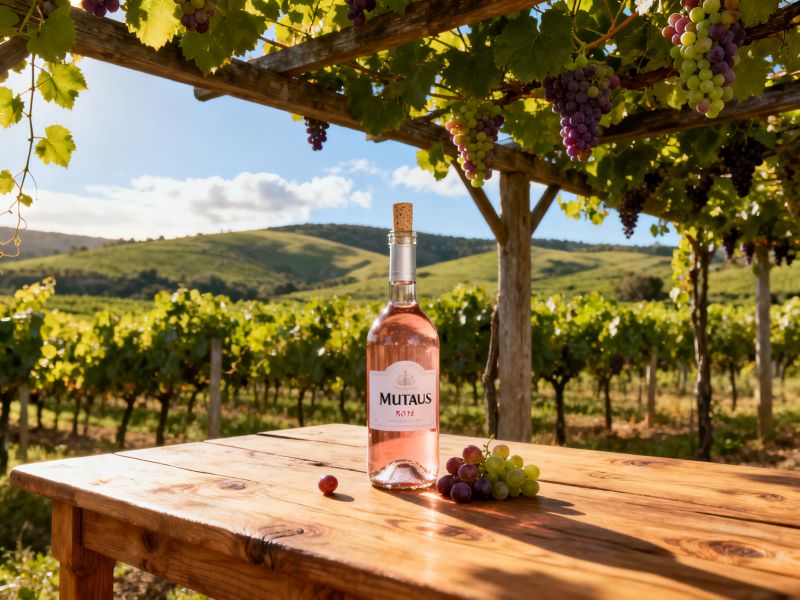
Mateus picks up too much vanilla and loses its herbal edge. And don't bother aging it beyond two years—this grape is about freshness, not patience.The Mateus rosé brand, on the other hand, is a different beast. It became a global icon in the 1970s, and for good reason: it's cheap, cheerful, and pairs with almost anything fried. But here's what most people miss—the brand's modern iterations have improved dramatically. The 2021 Mateus Rosé Signature, for instance。is drier than the original and shows real strawberry and pink grapefruit character. I keep a bottle in the fridge for spontaneous pizza nights. Just don't serve it in a wine snob's glass;
drink it from a tumbler, like the Portuguese do on a hot afternoon.
My advice for anyone curious about Mateus: treat the grape and the brand as two separate journeys. Find a small producer in the Vinho Verde region who still bottles varietal Mateus—they're rare but worth the hunt. For the brand, buy the driest style you can find and drink it young. Neither will impress a collector, but both offer something more valuable: a story you can taste. That's the practical magic of Mateus—it refuses to be fancy, and that's exactly why it works.