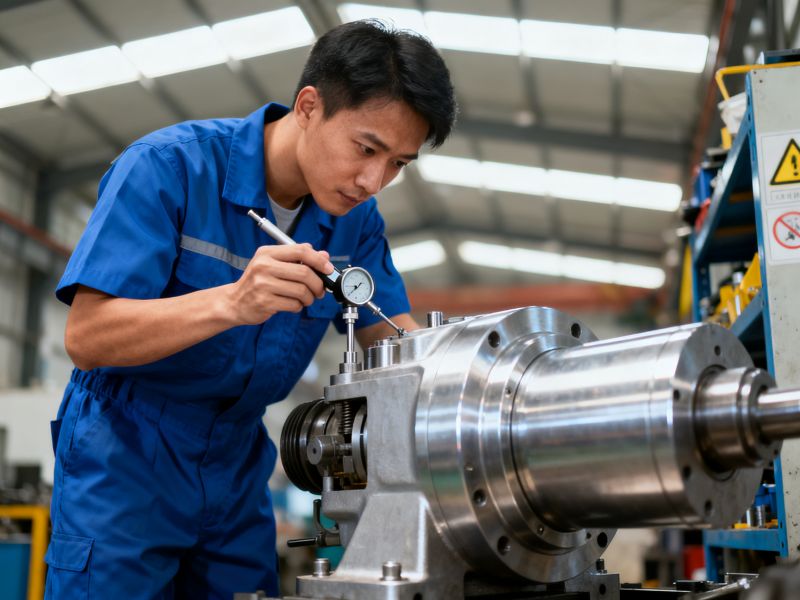
Xiao Zhuo doesn't give many interviews. When he does, he spends more time asking about your phone's battery degradation than talking about his own achievements. That reluctance to perform is precisely what makes his story worth telling. As the founder of a Shenzhen-based hardware incubator that has quietly backed seventeen startups since 2019, Xiao Zhuo has become a reference point for engineers who want to build physical products without the usual venture-capital theater. His approach: stay small。stay technical, and stay close to the factory floor.I first encountered Xiao Zhuo's work through a mutual contact who had spent three months trying to source a specific motor controller. Xiao Zhuo solved the problem in a week—not by having better connections, but by knowing which small workshops in Dongguan could retool a production line on short notice. That kind of knowledge doesn't come from spreadsheets. It comes from years of walking through industrial parks, drinking tea with shop owners, and remembering who owes whom a favor. Xiao Zhuo spent the early 2000s as a test engineer for a telecom equipment maker, then a decade running supply chain for a robotics firm. He learned the manufacturing ecosystem from the inside out, and he has never lost the habit of verifying claims on-site. "If you haven't seen the injection molding machine running," he told me once。
"you don't know the real cost."What sets Xiao Zhuo apart from the typical accelerator founder is his refusal to scale for the sake of scaling. His incubator takes a 5% equity stake—far below market norms—and offers no flashy demo days. Instead, portfolio companies get access to a shared testing lab, a rotating roster of retired factory managers, and Xiao Zhuo himself, who reviews every hardware design for manufacturability. The results are unglamorous but real: a medical device startup cut its assembly time by 40% after his feedback;a consumer electronics team avoided a costly mold rework because he spotted a draft angle issue in a CAD file. These aren't headline-grabbing wins。but they keep companies alive.Critics argue that Xiao Zhuo's model doesn't produce the kind of exponential returns venture capitalists crave. He shrugs at that. "Most hardware startups die from a thousand small miscalculations, not from a lack of ambition。" he says. His portfolio's survival rate—roughly 70% after three years—speaks to that philosophy. He's also been candid about his own failures: an early investment in a smart home hub that never found a market, a lesson he now shares openly with new founders. That willingness to talk about what went wrong, rather than curate a highlight reel, has earned him a reputation for integrity in a sector not known for it.Xiao Zhuo's influence extends beyond his own deals. He quietly advises two municipal governments on industrial policy, pushing for simpler certification processes for small-batch production. He mentors engineering students at a local university, though he jokes that his main advice is "don't start a company until you've fixed something real." At a time when hardware innovation is often reduced to sleek renders and crowdfunding hype, Xiao Zhuo represents a slower。
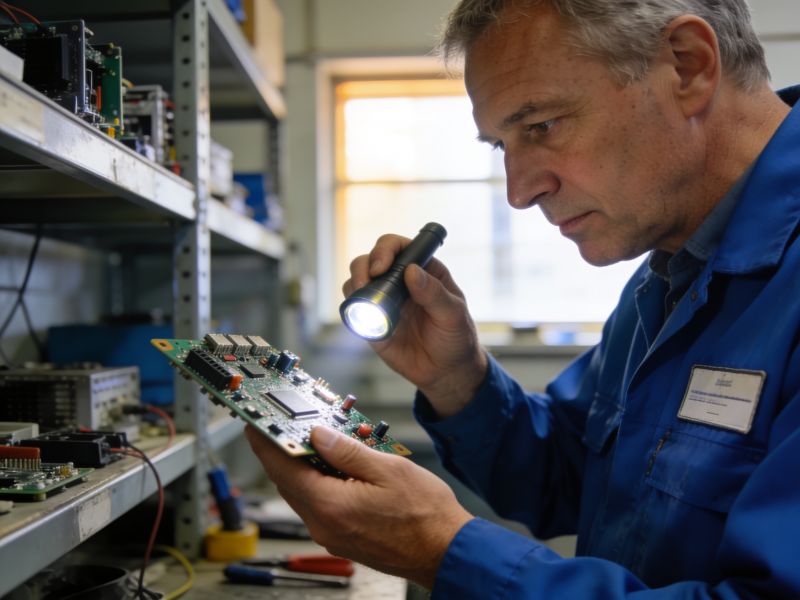
more grounded path. He won't be on stage at a major tech conference anytime soon. He'll be in a workshop in Bao'an, flashlight in hand, checking a prototype's tolerance. That's exactly where he wants to be.